

Our core belief:
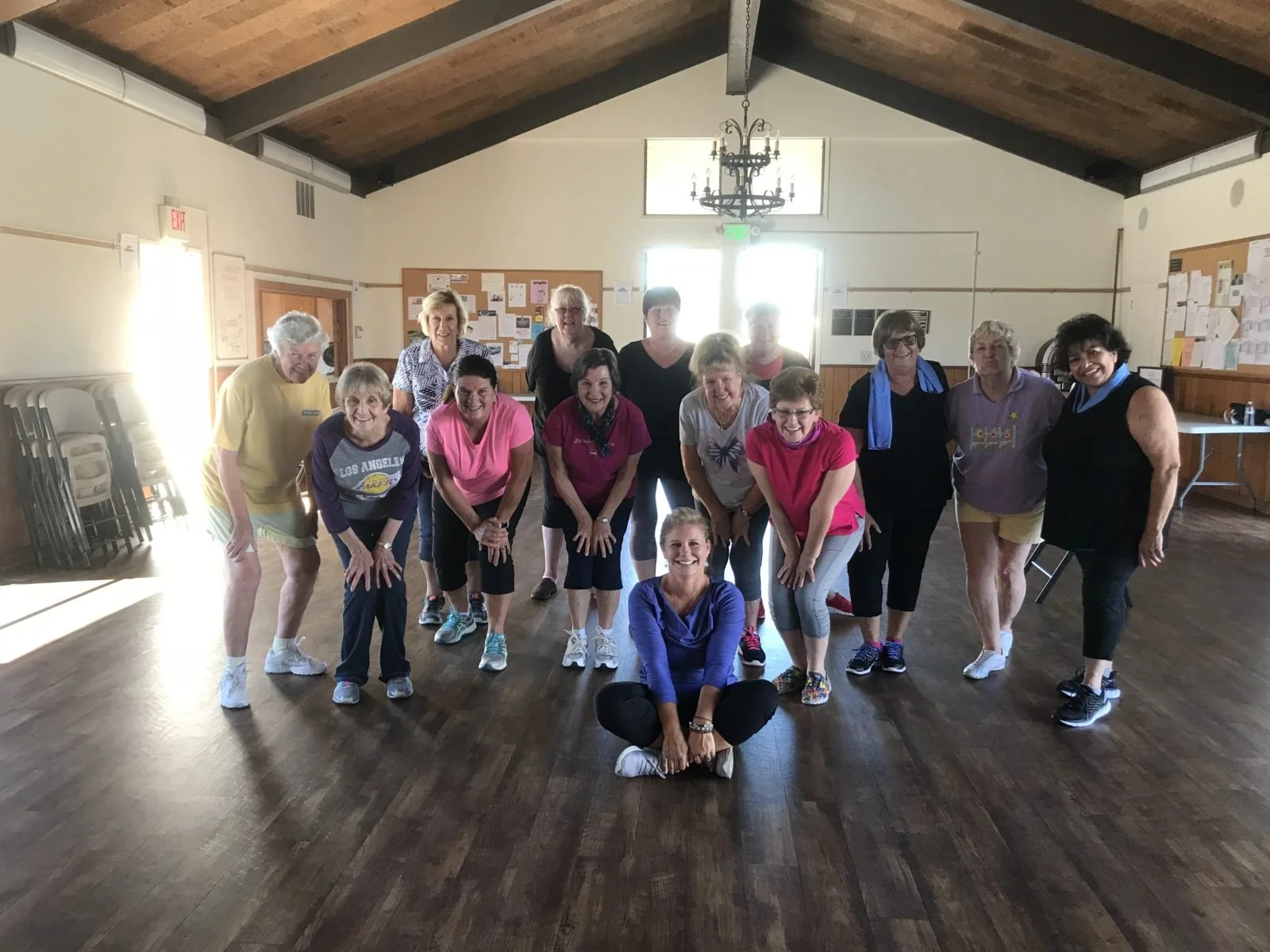
Aging is something every one of us will experience — but how we age is not set in stone. Too often, growing older is associated with slowing down, sitting more, and gradually letting our bodies and minds decline. It doesn’t have to be that way. Our mission is to help seniors stay active, engaged, and empowered throughout every stage of life. By encouraging movement, connection, and self-care, we help ensure that aging is not about deterioration, but about maintaining strength, independence, and quality of life for as long as possible.
As we age, gradual changes occur across the body’s three core pillars of health: the musculoskeletal system (joints, bones, and muscles), the nervous system, and the cardiovascular system. Over time, joints may lose some of the cushioning and space between bones, which can affect posture and make certain everyday movements less comfortable. Bones can slowly decrease in density, and muscles may lose some strength and flexibility, which together can influence balance and stability. The nervous system also experiences natural changes, which can affect processing speed, coordination, memory, and reaction time. In addition, the cardiovascular system evolves with age—the heart and blood vessels may become less efficient, circulation can slow, and endurance may gradually decrease. While these changes are a normal part of aging, staying physically active and engaged plays an important role in helping maintain mobility, independence, and overall quality of life.
Benefits of Exercise
Regular physical activity is one of the most powerful tools older adults have to maintain health, independence, and quality of life. Exercise supports both the body and mind, helping seniors stay active, confident, and engaged as they age.
Some of the key benefits of exercise for older adults include:
Maintaining independence and reducing the risk of falls and bone fractures
Lowering the risk of coronary heart disease, high blood pressure, colon cancer, and diabetes
Helping reduce blood pressure in individuals with hypertension
Improving stamina and muscle strength, even for those with chronic or disabling conditions
Reducing symptoms of anxiety and depression, while improving overall mood and well-being
Supporting healthy bones, muscles, and joints
Helping control joint swelling and pain associated with arthritis
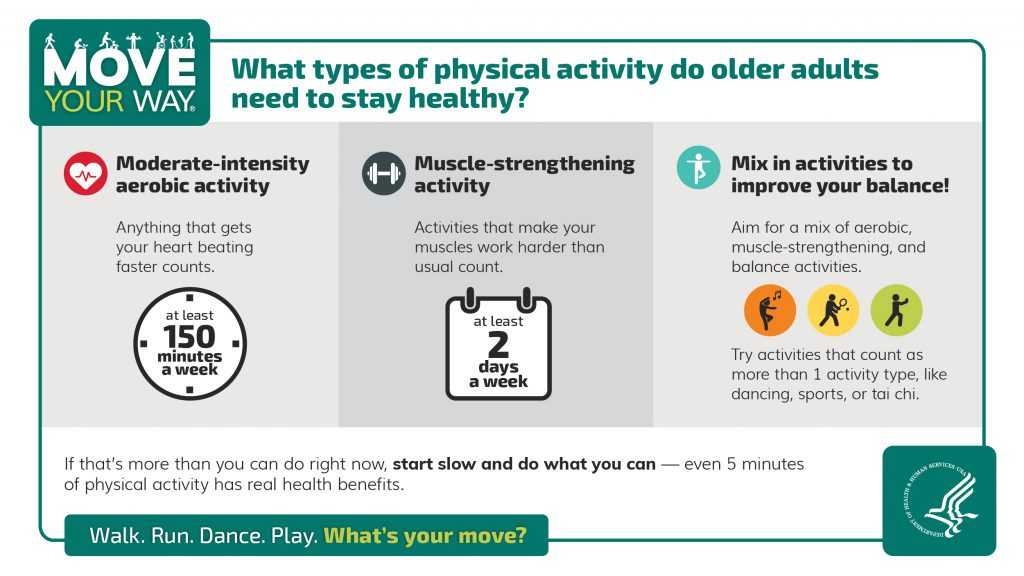
In addition to aerobic endurance, muscle-strengthening, and balance training, older adults benefit from exercises that improve flexibility and cognitive health.
Flexibility exercises help improve mobility and maintain a healthy range of motion.
Incorporate flexibility training 2–3 times per week
Hold stretches for 30–60 seconds
Focus on gentle, controlled movements that support joint health
Neuromotor exercises strengthen the brain-to-body connection, helping seniors maintain coordination and mental sharpness.
Include exercises that improve balance, power, speed, agility, and coordination
Perform cognitive-focused exercises at least 2–3 times per week
Activities that challenge both the body and mind can help support long-term cognitive health
When older adults participate in a regular aerobic training program, the body becomes stronger and more efficient.
VO₂ max increases, improving the body’s ability to use oxygen
The heart becomes stronger, increasing stroke volume and cardiac output
More blood and oxygen are delivered to working muscles and tissues
Muscles develop more capillaries, mitochondria, and aerobic enzymes, improving oxygen use
Resting heart rate decreases as cardiovascular efficiency improves
Regular aerobic exercise may also reduce blood pressure in individuals with moderate hypertension
